Nov 5, 2025

Anubhav Ghosh
Graphic Design and Its Real-World Impact
Explore how graphic design shapes everyday experience, from logos to interfaces to public space, and why it matters more than most people realize.
Branding & Identity
Design Thinking
Design as Communication
Graphic design goes beyond aesthetics; it’s a language that connects ideas, brands, and people.
From the logo on your coffee cup to the layout of your favorite app, design quietly shapes how you see and experience the world. It builds familiarity, emotion, and trust before a single word is read. The right balance of color, typography, and form can speak louder than any tagline.
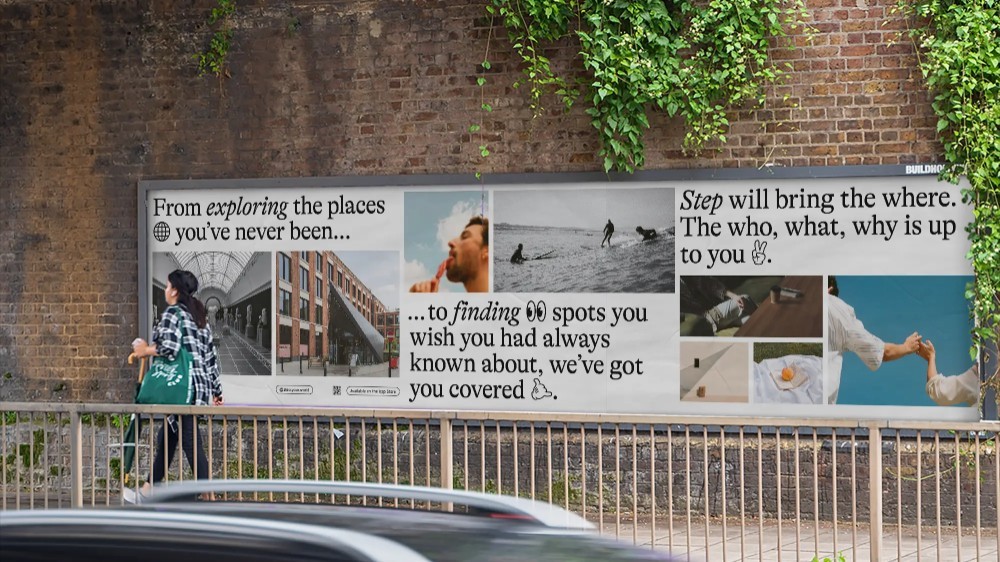
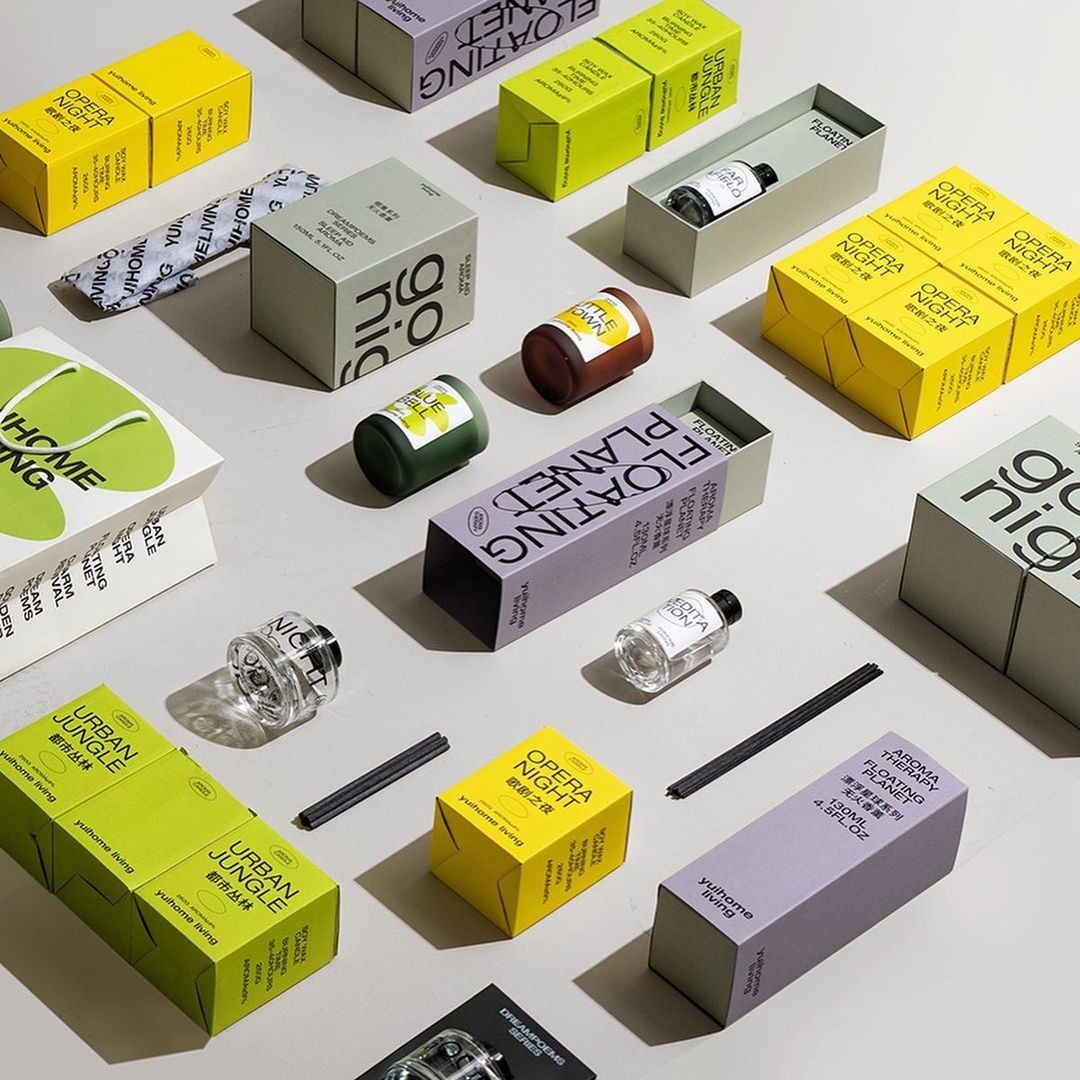
Design is what gives brands their voice and personality. It allows them to be recognized and remembered. The hidden arrow in the FedEx logo suggesting speed, the bold yellow of McDonald’s that signals familiarity, or the minimal simplicity of Apple’s packaging...all of these prove design communicates without needing to explain itself. It’s not just decoration; it’s storytelling through visual cues. In the real world, design helps you identify, interpret, and connect faster than you realize.
Design in Everyday Life
Graphic design is everywhere, even when you don’t notice it.
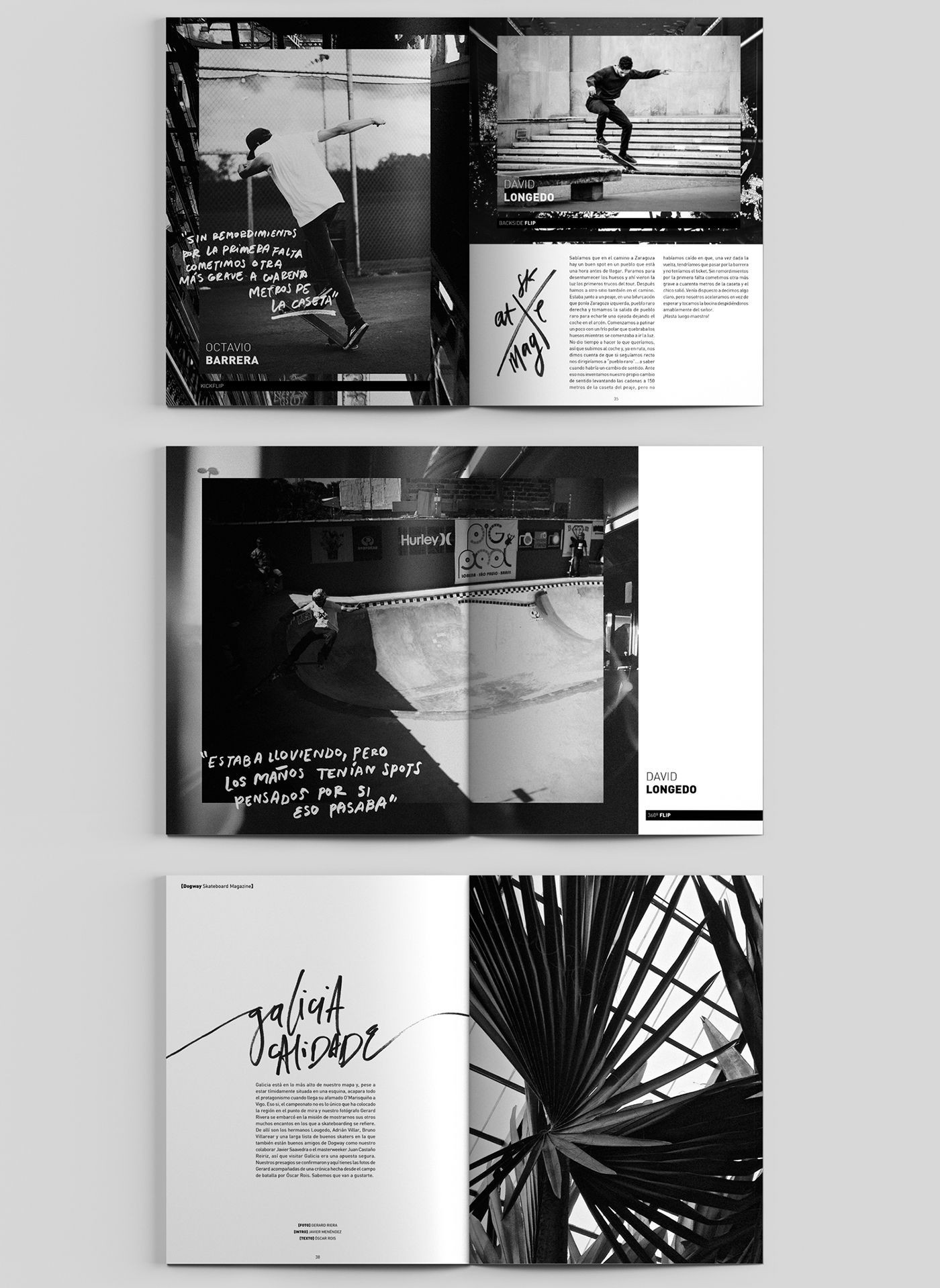
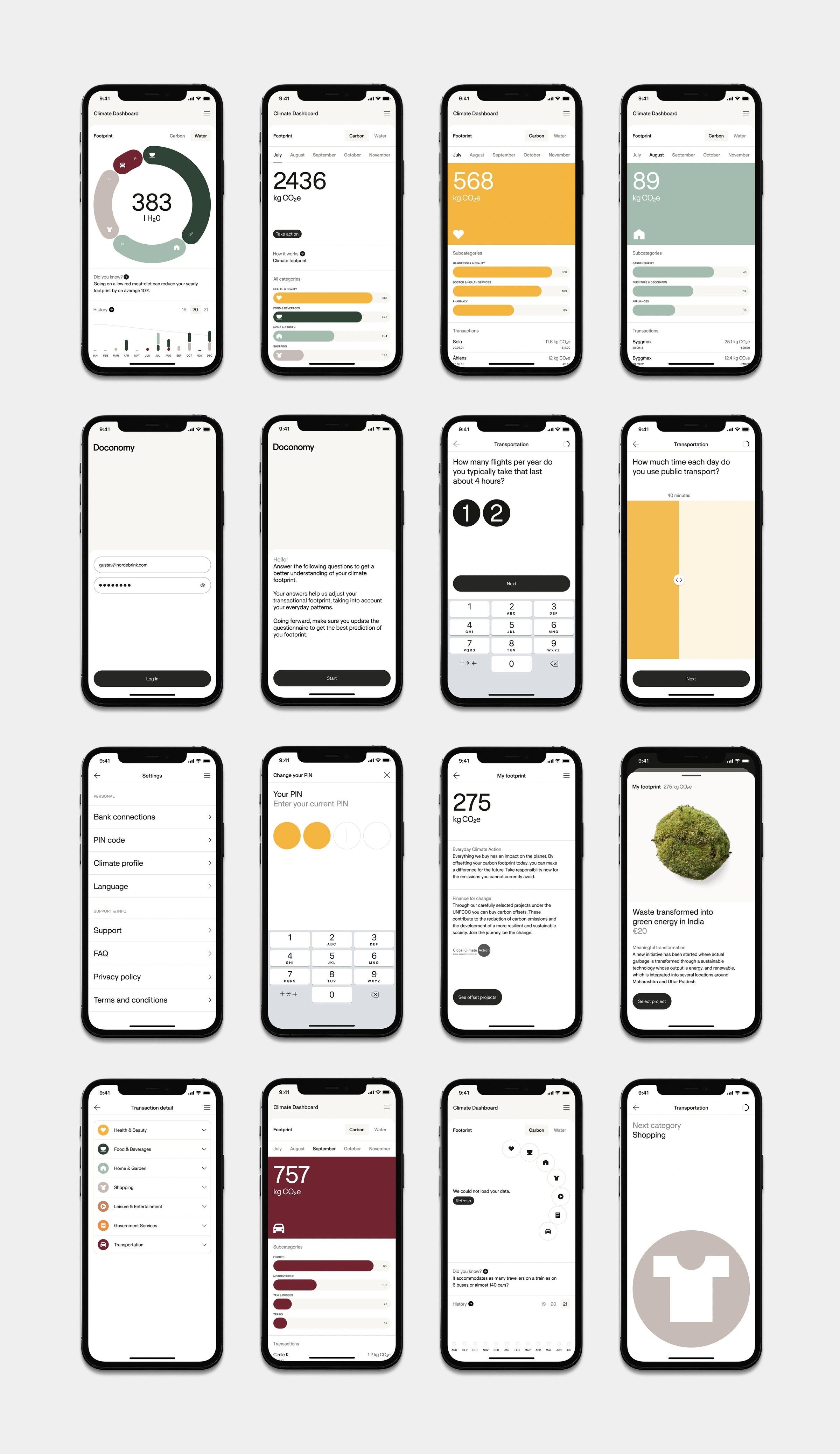
It’s in the way apps guide you seamlessly through menus, how a magazine layout keeps your focus, or how a billboard catches your eye while you’re on the move. Every interaction is designed to translate information into clarity and experience.
In our digital world, design blends beauty with usability. A good interface feels invisible. It simply works. Strong hierarchy, intuitive icons, and consistent layout all make everyday tools easier to use. The same logic applies offline too. Editorial design turns content into rhythm and flow through typography, spacing, and imagery. Environmental design helps people navigate cities, offices, and public spaces through signage and spatial graphics. Whether digital or physical, design’s main goal remains the same: make information intuitive, functional, and memorable.
Design for Impact
Beyond business, design drives culture, emotion, and change.
It shapes how societies communicate values, challenge issues, and spread awareness. A strong poster can move people to act. A campaign can change perception. Design isn’t only about making things look appealing — it’s about making ideas visible.
Today’s most powerful designs go beyond branding. They inform, inspire, and influence how we think and behave. Motion graphics bring energy to messages. Social campaigns use visual storytelling to amplify important causes. From sustainability to inclusivity, design gives meaning to movements. It has the ability to bridge creativity and purpose, connecting people to ideas that matter.
Graphic design is no longer limited to what you see on a screen or billboard. It’s the system that connects emotion, behavior, and action. It’s how creativity becomes communication.
FAQ
01
What does a project look like?
02
How is the pricing structured?
03
Are all projects fixed scope?
04
What’s the ROI of design?
05
How do we measure success?
06
What do I need to get started?
07
Do you only take big projects?
08
Do you collaborate with agencies or individuals?
Nov 5, 2025
Anubhav Ghosh
Graphic Design and Its Real-World Impact
Explore how graphic design shapes everyday experience, from logos to interfaces to public space, and why it matters more than most people realize.
Branding & Identity
Design Thinking
Design as Communication
Graphic design goes beyond aesthetics; it’s a language that connects ideas, brands, and people.
From the logo on your coffee cup to the layout of your favorite app, design quietly shapes how you see and experience the world. It builds familiarity, emotion, and trust before a single word is read. The right balance of color, typography, and form can speak louder than any tagline.
Design is what gives brands their voice and personality. It allows them to be recognized and remembered. The hidden arrow in the FedEx logo suggesting speed, the bold yellow of McDonald’s that signals familiarity, or the minimal simplicity of Apple’s packaging...all of these prove design communicates without needing to explain itself. It’s not just decoration; it’s storytelling through visual cues. In the real world, design helps you identify, interpret, and connect faster than you realize.
Design in Everyday Life
Graphic design is everywhere, even when you don’t notice it.
It’s in the way apps guide you seamlessly through menus, how a magazine layout keeps your focus, or how a billboard catches your eye while you’re on the move. Every interaction is designed to translate information into clarity and experience.
In our digital world, design blends beauty with usability. A good interface feels invisible. It simply works. Strong hierarchy, intuitive icons, and consistent layout all make everyday tools easier to use. The same logic applies offline too. Editorial design turns content into rhythm and flow through typography, spacing, and imagery. Environmental design helps people navigate cities, offices, and public spaces through signage and spatial graphics. Whether digital or physical, design’s main goal remains the same: make information intuitive, functional, and memorable.
Design for Impact
Beyond business, design drives culture, emotion, and change.
It shapes how societies communicate values, challenge issues, and spread awareness. A strong poster can move people to act. A campaign can change perception. Design isn’t only about making things look appealing — it’s about making ideas visible.
Today’s most powerful designs go beyond branding. They inform, inspire, and influence how we think and behave. Motion graphics bring energy to messages. Social campaigns use visual storytelling to amplify important causes. From sustainability to inclusivity, design gives meaning to movements. It has the ability to bridge creativity and purpose, connecting people to ideas that matter.
Graphic design is no longer limited to what you see on a screen or billboard. It’s the system that connects emotion, behavior, and action. It’s how creativity becomes communication.
FAQ
01
What does a project look like?
02
How is the pricing structured?
03
Are all projects fixed scope?
04
What’s the ROI of design?
05
How do we measure success?
06
What do I need to get started?
07
Do you only take big projects?
08
Do you collaborate with agencies or individuals?
Nov 5, 2025
Anubhav Ghosh
Graphic Design and Its Real-World Impact
Explore how graphic design shapes everyday experience, from logos to interfaces to public space, and why it matters more than most people realize.
Branding & Identity
Design Thinking
Design as Communication
Graphic design goes beyond aesthetics; it’s a language that connects ideas, brands, and people.
From the logo on your coffee cup to the layout of your favorite app, design quietly shapes how you see and experience the world. It builds familiarity, emotion, and trust before a single word is read. The right balance of color, typography, and form can speak louder than any tagline.
Design is what gives brands their voice and personality. It allows them to be recognized and remembered. The hidden arrow in the FedEx logo suggesting speed, the bold yellow of McDonald’s that signals familiarity, or the minimal simplicity of Apple’s packaging...all of these prove design communicates without needing to explain itself. It’s not just decoration; it’s storytelling through visual cues. In the real world, design helps you identify, interpret, and connect faster than you realize.
Design in Everyday Life
Graphic design is everywhere, even when you don’t notice it.
It’s in the way apps guide you seamlessly through menus, how a magazine layout keeps your focus, or how a billboard catches your eye while you’re on the move. Every interaction is designed to translate information into clarity and experience.
In our digital world, design blends beauty with usability. A good interface feels invisible. It simply works. Strong hierarchy, intuitive icons, and consistent layout all make everyday tools easier to use. The same logic applies offline too. Editorial design turns content into rhythm and flow through typography, spacing, and imagery. Environmental design helps people navigate cities, offices, and public spaces through signage and spatial graphics. Whether digital or physical, design’s main goal remains the same: make information intuitive, functional, and memorable.
Design for Impact
Beyond business, design drives culture, emotion, and change.
It shapes how societies communicate values, challenge issues, and spread awareness. A strong poster can move people to act. A campaign can change perception. Design isn’t only about making things look appealing — it’s about making ideas visible.
Today’s most powerful designs go beyond branding. They inform, inspire, and influence how we think and behave. Motion graphics bring energy to messages. Social campaigns use visual storytelling to amplify important causes. From sustainability to inclusivity, design gives meaning to movements. It has the ability to bridge creativity and purpose, connecting people to ideas that matter.
Graphic design is no longer limited to what you see on a screen or billboard. It’s the system that connects emotion, behavior, and action. It’s how creativity becomes communication.
FAQ
What does a project look like?
How is the pricing structured?
Are all projects fixed scope?
What’s the ROI of design?
How do we measure success?
What do I need to get started?
Do you only take big projects?
Do you collaborate with agencies or individuals?