Nov 5, 2025

Vishesh Mahendru
Indian Streetwear Isn’t Street Anymore
Explore how Indian streetwear lost its connection to real street culture. Learn why overpriced fashion and generic aesthetics have replaced authenticity, and what the next generation of Indian creators can do to bring back the “street” in streetwear.
Design Insight
Indian Fashion
Origin
Streetwear was never meant to be luxury; it was rebellion.
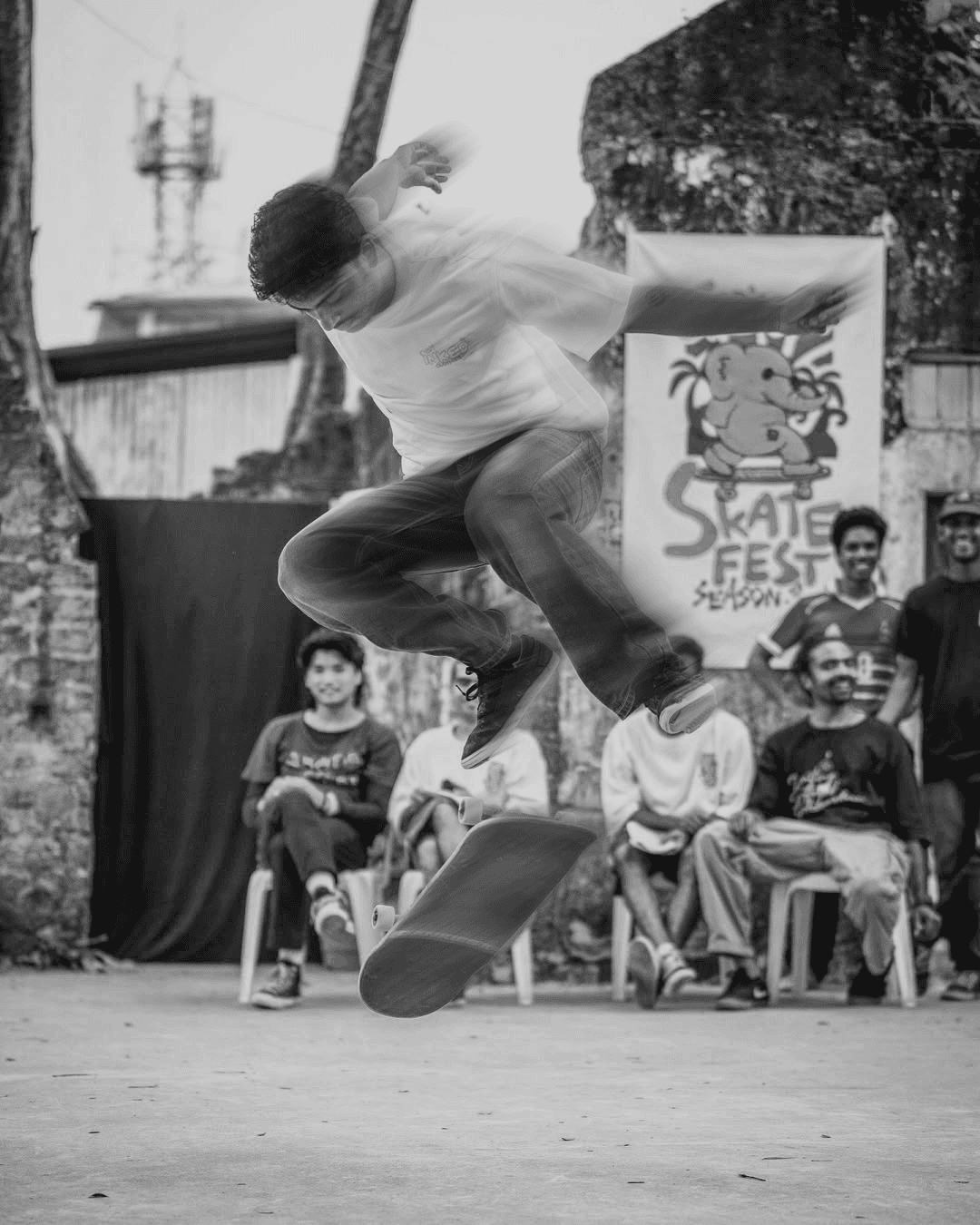
It emerged from the raw, unpolished corners of urban life: skate parks, basketball courts, rap scenes, and underground art movements. It wasn’t about who you knew or how much you could spend; it was about belonging to a tribe that valued self-expression over status. Streetwear was, and still should be, the visual language of cultural independence.
But in India, that identity got lost in translation. What we call “streetwear” today often feels like a filtered, algorithm-approved version of the West’s visual codes. Oversized silhouettes, Japanese fonts, gothic graphics, and flame motifs are repeated across brands that look indistinguishable from each other. The rebellion that once defined the culture has been replaced by replication. Instead of emerging from subcultures like music, skating, or street art, most Indian streetwear brands were born on Instagram, built for aesthetics first and authenticity later. The result is a scene that looks street but doesn’t feel it. The grit, the DIY energy, and the voice of the local youth are missing, replaced by curated branding that speaks more to aspiration than expression.
Commercialization
When the street turns into a showroom, authenticity disappears.
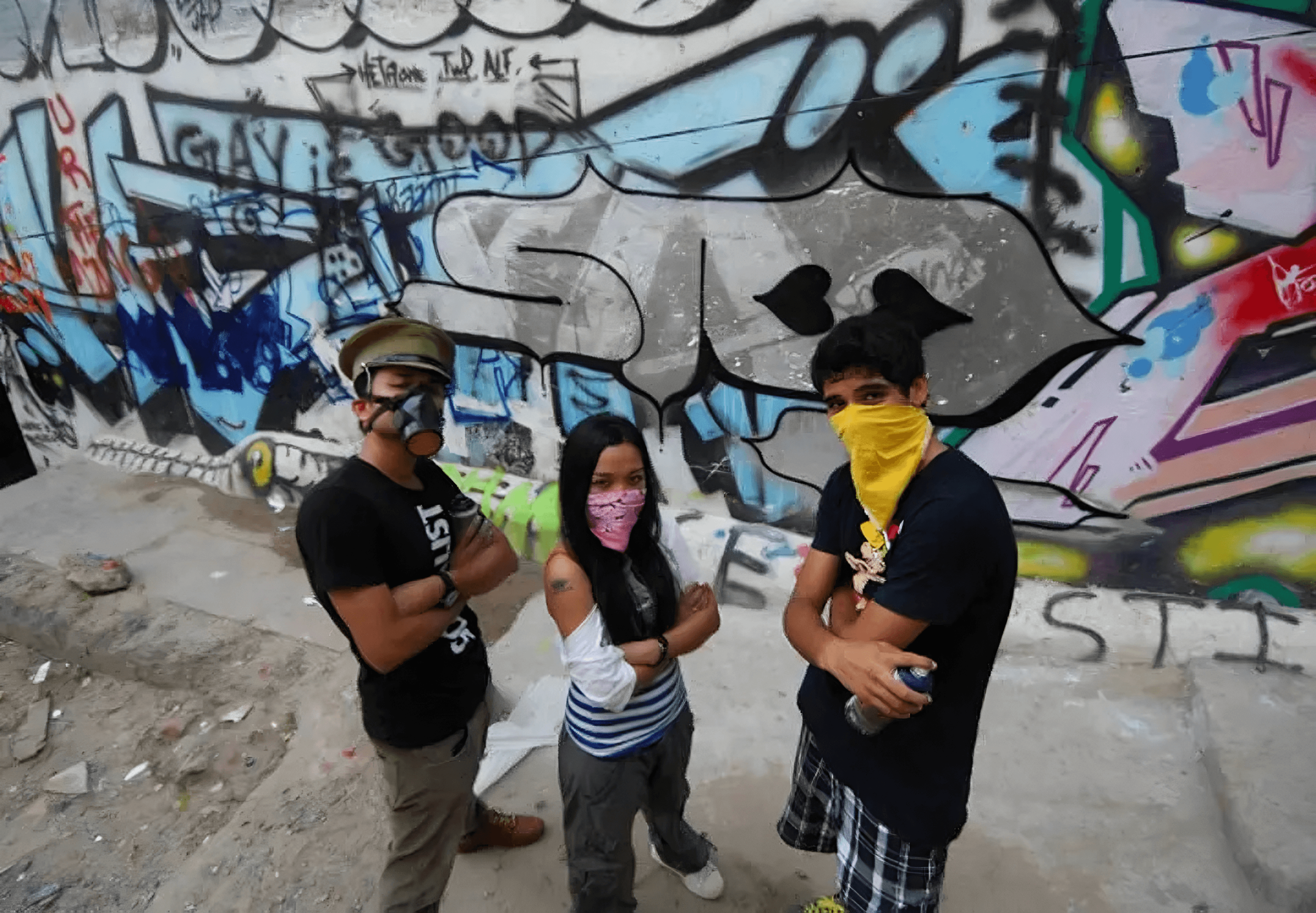
What was once a counter-culture movement rooted in accessibility has now become an aspirational product for the few. Streetwear’s core idea of inclusivity has been flipped into exclusivity through inflated pricing, limited drops, and “luxury-street” branding.
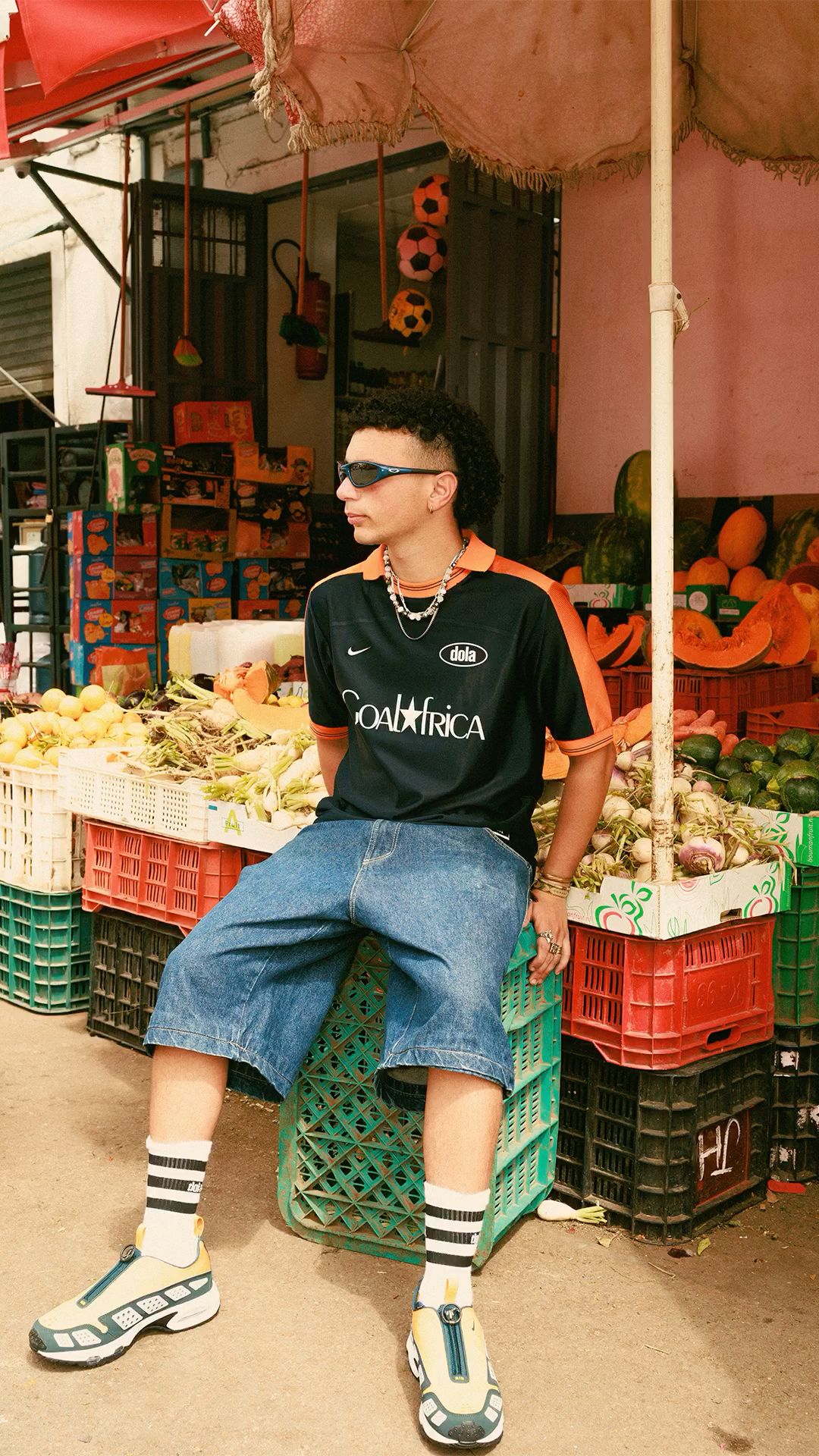
Most Indian streetwear labels price their products between ₹2,500 and ₹6,000, a range inaccessible to the very audience that made streetwear iconic elsewhere. The irony is hard to miss. A movement that began as an anti-establishment statement is now marketed through influencer campaigns, polished product photography, and paid collaborations. The storytelling is global, but the soul is absent. You rarely see reflections of Indian street life—no nods to local hip-hop, regional slang, or cultural motifs that define our cities. Instead, the visual language is borrowed wholesale from Los Angeles or Tokyo, with little contextual reinterpretation.
This isn’t to discredit the craft or intent behind these brands. Many are founded by passionate young creators trying to bridge street culture with fashion. But when “streetwear” becomes a status symbol, it distances itself from its roots. The design becomes performative, an aesthetic shorthand rather than a social statement. Streetwear in India has been trapped between imitation and inaccessibility, appealing to an audience that likes the look of the streets but not the life that built it.

Revival
Real streetwear doesn't sell exclusivity. It builds belonging.
If Indian streetwear has lost its way, it’s not too late to find its identity again. The future doesn’t lie in copying Western silhouettes or overpricing “drops.” It lies in rediscovering our own street stories: the subcultures, communities, and scenes that already exist around us.
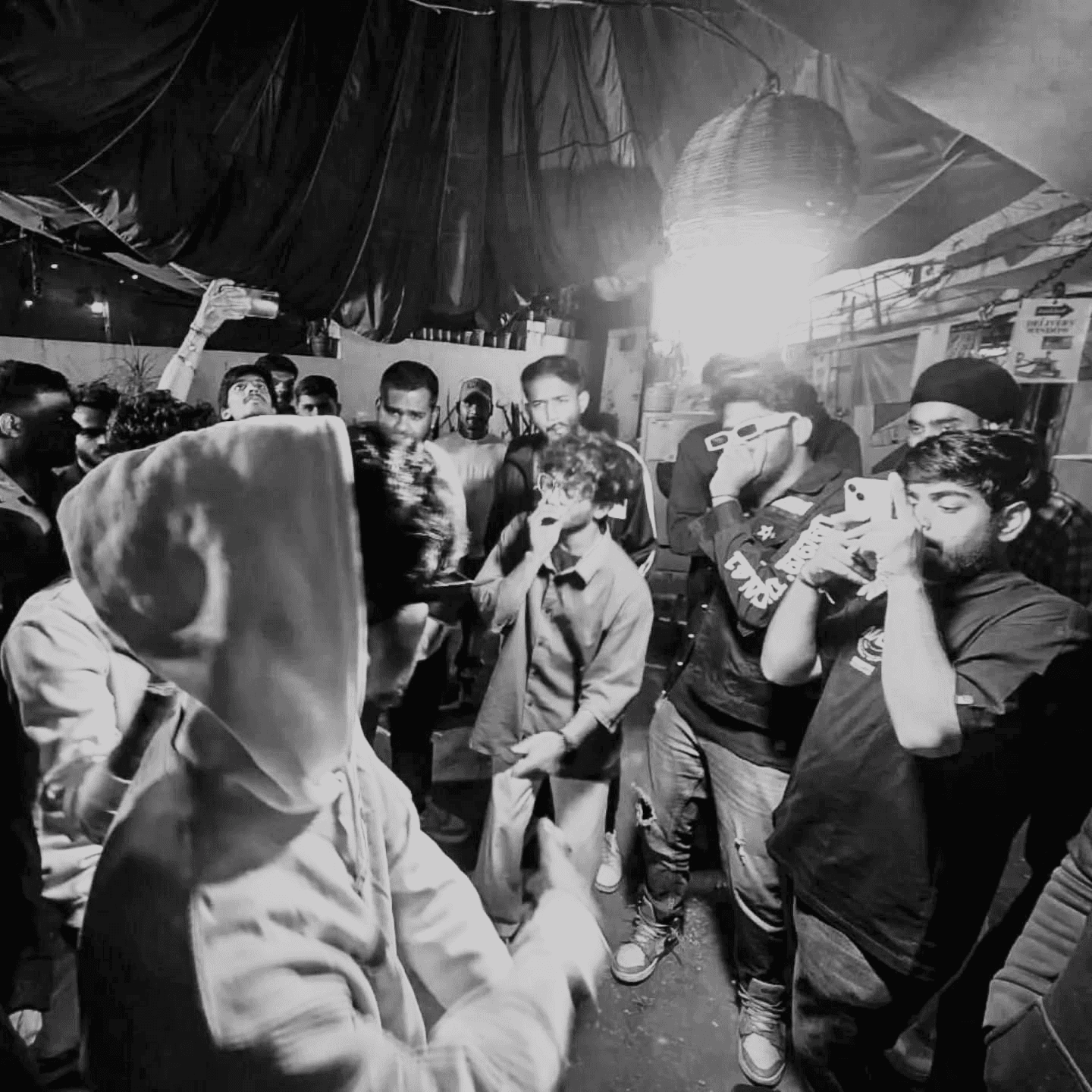
Across India, you can see fragments of that authenticity emerging. Delhi’s hip-hop collectives, Kolkata’s thrifting culture, Mumbai’s graffiti crews, and Bangalore’s skate community are quietly rebuilding what streetwear was always meant to be: a reflection of youth, locality, and lived experience. These spaces are organic, self-funded, and deeply expressive, exactly the conditions that birthed streetwear globally decades ago. What’s missing is the connection between those cultural voices and the brands that claim to represent them.
True Indian streetwear will evolve when it stops being a copy and becomes a conversation between the maker, the wearer, and the environment that shapes them both. It needs to shift from product to participation, from hype to honesty. When creators stop chasing virality and start designing for community, the movement will feel real again. Streetwear doesn’t have to cost ₹4,000 to matter. It just needs to mean something.
Also, written right here, from concept to words with
FAQ
01
What does a project look like?
02
How is the pricing structured?
03
Are all projects fixed scope?
04
What’s the ROI of design?
05
How do we measure success?
06
What do I need to get started?
07
Do you only take big projects?
08
Do you collaborate with agencies or individuals?
Nov 5, 2025
Vishesh Mahendru
Indian Streetwear Isn’t Street Anymore
Explore how Indian streetwear lost its connection to real street culture. Learn why overpriced fashion and generic aesthetics have replaced authenticity, and what the next generation of Indian creators can do to bring back the “street” in streetwear.
Design Insight
Indian Fashion
Origin
Streetwear was never meant to be luxury; it was rebellion.
It emerged from the raw, unpolished corners of urban life: skate parks, basketball courts, rap scenes, and underground art movements. It wasn’t about who you knew or how much you could spend; it was about belonging to a tribe that valued self-expression over status. Streetwear was, and still should be, the visual language of cultural independence.
But in India, that identity got lost in translation. What we call “streetwear” today often feels like a filtered, algorithm-approved version of the West’s visual codes. Oversized silhouettes, Japanese fonts, gothic graphics, and flame motifs are repeated across brands that look indistinguishable from each other. The rebellion that once defined the culture has been replaced by replication. Instead of emerging from subcultures like music, skating, or street art, most Indian streetwear brands were born on Instagram, built for aesthetics first and authenticity later. The result is a scene that looks street but doesn’t feel it. The grit, the DIY energy, and the voice of the local youth are missing, replaced by curated branding that speaks more to aspiration than expression.
Commercialization
When the street turns into a showroom, authenticity disappears.
What was once a counter-culture movement rooted in accessibility has now become an aspirational product for the few. Streetwear’s core idea of inclusivity has been flipped into exclusivity through inflated pricing, limited drops, and “luxury-street” branding.
Most Indian streetwear labels price their products between ₹2,500 and ₹6,000, a range inaccessible to the very audience that made streetwear iconic elsewhere. The irony is hard to miss. A movement that began as an anti-establishment statement is now marketed through influencer campaigns, polished product photography, and paid collaborations. The storytelling is global, but the soul is absent. You rarely see reflections of Indian street life—no nods to local hip-hop, regional slang, or cultural motifs that define our cities. Instead, the visual language is borrowed wholesale from Los Angeles or Tokyo, with little contextual reinterpretation.
This isn’t to discredit the craft or intent behind these brands. Many are founded by passionate young creators trying to bridge street culture with fashion. But when “streetwear” becomes a status symbol, it distances itself from its roots. The design becomes performative, an aesthetic shorthand rather than a social statement. Streetwear in India has been trapped between imitation and inaccessibility, appealing to an audience that likes the look of the streets but not the life that built it.
Revival
Real streetwear doesn't sell exclusivity. It builds belonging.
If Indian streetwear has lost its way, it’s not too late to find its identity again. The future doesn’t lie in copying Western silhouettes or overpricing “drops.” It lies in rediscovering our own street stories: the subcultures, communities, and scenes that already exist around us.
Across India, you can see fragments of that authenticity emerging. Delhi’s hip-hop collectives, Kolkata’s thrifting culture, Mumbai’s graffiti crews, and Bangalore’s skate community are quietly rebuilding what streetwear was always meant to be: a reflection of youth, locality, and lived experience. These spaces are organic, self-funded, and deeply expressive, exactly the conditions that birthed streetwear globally decades ago. What’s missing is the connection between those cultural voices and the brands that claim to represent them.
True Indian streetwear will evolve when it stops being a copy and becomes a conversation between the maker, the wearer, and the environment that shapes them both. It needs to shift from product to participation, from hype to honesty. When creators stop chasing virality and start designing for community, the movement will feel real again. Streetwear doesn’t have to cost ₹4,000 to matter. It just needs to mean something.
Also, written right here, from concept to words with
FAQ
01
What does a project look like?
02
How is the pricing structured?
03
Are all projects fixed scope?
04
What’s the ROI of design?
05
How do we measure success?
06
What do I need to get started?
07
Do you only take big projects?
08
Do you collaborate with agencies or individuals?
Nov 5, 2025
Vishesh Mahendru
Indian Streetwear Isn’t Street Anymore
Explore how Indian streetwear lost its connection to real street culture. Learn why overpriced fashion and generic aesthetics have replaced authenticity, and what the next generation of Indian creators can do to bring back the “street” in streetwear.
Design Insight
Indian Fashion
Origin
Streetwear was never meant to be luxury; it was rebellion.
It emerged from the raw, unpolished corners of urban life: skate parks, basketball courts, rap scenes, and underground art movements. It wasn’t about who you knew or how much you could spend; it was about belonging to a tribe that valued self-expression over status. Streetwear was, and still should be, the visual language of cultural independence.
But in India, that identity got lost in translation. What we call “streetwear” today often feels like a filtered, algorithm-approved version of the West’s visual codes. Oversized silhouettes, Japanese fonts, gothic graphics, and flame motifs are repeated across brands that look indistinguishable from each other. The rebellion that once defined the culture has been replaced by replication. Instead of emerging from subcultures like music, skating, or street art, most Indian streetwear brands were born on Instagram, built for aesthetics first and authenticity later. The result is a scene that looks street but doesn’t feel it. The grit, the DIY energy, and the voice of the local youth are missing, replaced by curated branding that speaks more to aspiration than expression.
Commercialization
When the street turns into a showroom, authenticity disappears.
What was once a counter-culture movement rooted in accessibility has now become an aspirational product for the few. Streetwear’s core idea of inclusivity has been flipped into exclusivity through inflated pricing, limited drops, and “luxury-street” branding.
Most Indian streetwear labels price their products between ₹2,500 and ₹6,000, a range inaccessible to the very audience that made streetwear iconic elsewhere. The irony is hard to miss. A movement that began as an anti-establishment statement is now marketed through influencer campaigns, polished product photography, and paid collaborations. The storytelling is global, but the soul is absent. You rarely see reflections of Indian street life—no nods to local hip-hop, regional slang, or cultural motifs that define our cities. Instead, the visual language is borrowed wholesale from Los Angeles or Tokyo, with little contextual reinterpretation.
This isn’t to discredit the craft or intent behind these brands. Many are founded by passionate young creators trying to bridge street culture with fashion. But when “streetwear” becomes a status symbol, it distances itself from its roots. The design becomes performative, an aesthetic shorthand rather than a social statement. Streetwear in India has been trapped between imitation and inaccessibility, appealing to an audience that likes the look of the streets but not the life that built it.
Revival
Real streetwear doesn't sell exclusivity. It builds belonging.
If Indian streetwear has lost its way, it’s not too late to find its identity again. The future doesn’t lie in copying Western silhouettes or overpricing “drops.” It lies in rediscovering our own street stories: the subcultures, communities, and scenes that already exist around us.
Across India, you can see fragments of that authenticity emerging. Delhi’s hip-hop collectives, Kolkata’s thrifting culture, Mumbai’s graffiti crews, and Bangalore’s skate community are quietly rebuilding what streetwear was always meant to be: a reflection of youth, locality, and lived experience. These spaces are organic, self-funded, and deeply expressive, exactly the conditions that birthed streetwear globally decades ago. What’s missing is the connection between those cultural voices and the brands that claim to represent them.
True Indian streetwear will evolve when it stops being a copy and becomes a conversation between the maker, the wearer, and the environment that shapes them both. It needs to shift from product to participation, from hype to honesty. When creators stop chasing virality and start designing for community, the movement will feel real again. Streetwear doesn’t have to cost ₹4,000 to matter. It just needs to mean something.
Also, written right here,
from concept to words with
FAQ
What does a project look like?
How is the pricing structured?
Are all projects fixed scope?
What’s the ROI of design?
How do we measure success?
What do I need to get started?
Do you only take big projects?
Do you collaborate with agencies or individuals?